
If you suspect roof damage after a storm, start with what has changed at your own home: a gap in the slates, a loose gutter, a fresh ceiling mark. Keep clear of anything unstable and record what you can safely see. Those observations help decide whether you need urgent help or a planned repair assessment.
Storm Boelo makes this timely over the October Bank Holiday weekend. In its commentary issued on 23 October 2026, Met Éireann forecast the strongest winds along western and northern coasts. That forecast does not establish damage to a Dublin roof. For current conditions, check Met Éireann's county warnings.
Check for changed or missing roof coverings from a safe ground-level position once conditions allow, and look indoors for new damp. Loose materials above a path, active water entry or a bulging ceiling need urgent attention; stay away from the affected area. A missing slate or tile still needs a prompt assessment even if the ceiling is dry. If you see no changes and have no symptoms, the storm name alone is not a reason to assume your roof needs repairs.
Noticed a Change After the Wind?
Send safely taken photos and a short description so we can discuss the next step. Call if water is entering now or materials are loose.
Based in Blanchardstown, Dublin 15 • Serving Dublin
Roof damage after a storm: which signs need action?
Use this as a starting point for arranging help. You do not need to identify the failed part yourself.
| What you notice | What to do next |
|---|---|
| A hanging gutter, loose roofing material or debris still falling | Keep people away from the area below and seek urgent professional help. Do not approach to take a closer photograph. |
| A visible gap or displaced slate or tile, but no indoor leak | Arrange a prompt roof assessment. Mention the exposed area and whether neighbouring coverings have moved. |
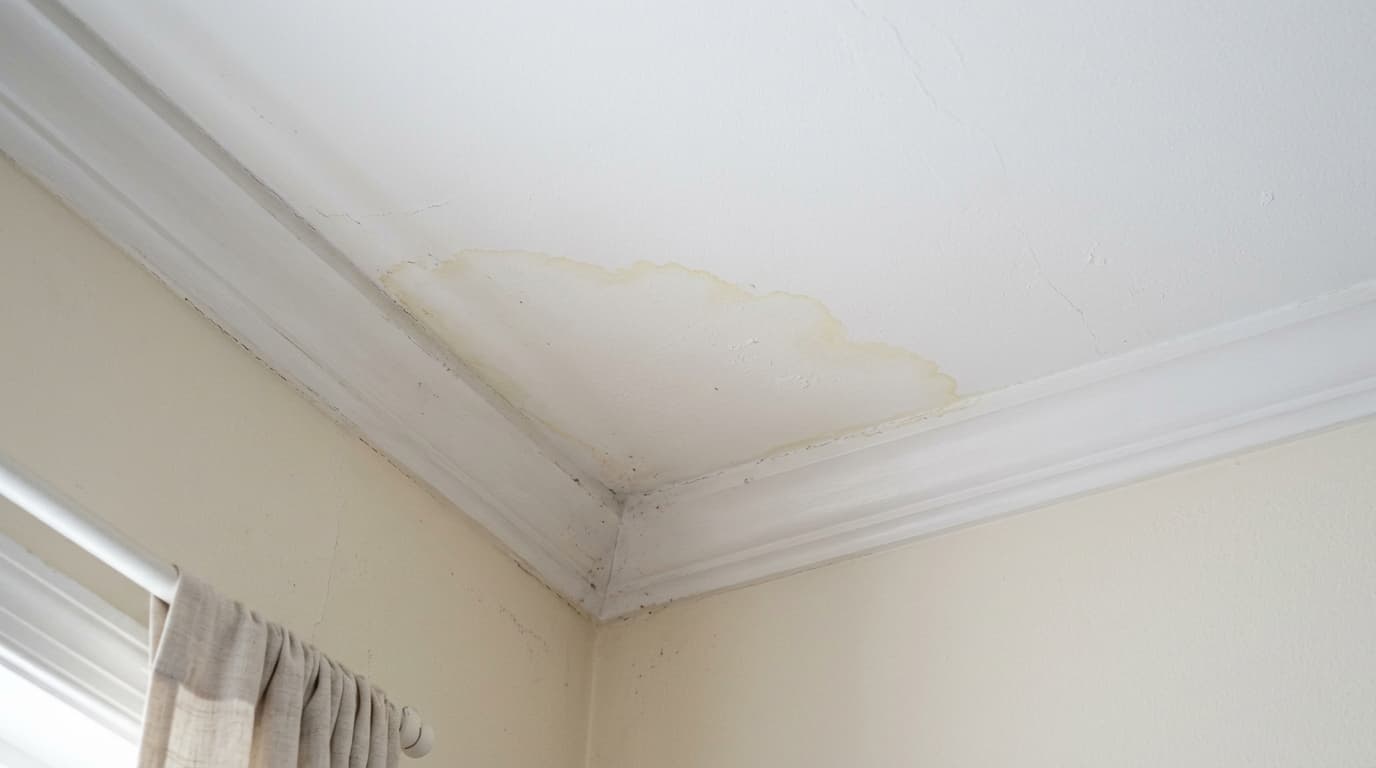
| A fresh ceiling stain or drip, with nothing obvious outside | Arrange an assessment and record when the water appeared. Active flow, water near electrics or a bulging ceiling needs urgent help; keep clear. |
| No visible change and no new damp or other symptoms | Keep an eye on ceilings during subsequent rain. A ground-level view cannot rule out every defect, but there is no basis to assume damage from the storm name alone. |
For active ingress or loose materials, our emergency roof repair service is the relevant route. Calling promptly lets us discuss the hazard; access to the roof still depends on safe conditions.
Fallen cables are a separate emergency. ESB Networks advises people to stay clear of fallen electricity wires. Do not touch a cable or anything it may be contacting.
A missing covering can matter before a ceiling leaks
Slates and tiles shed rain towards the gutter. Many pitched roofs also have underlay beneath them, providing secondary protection. If a covering moves, that underlay may be exposed even though no water has reached the ceiling.
Its condition matters. Torn or deteriorated underlay cannot be assumed to keep rain out, and water may travel before appearing indoors. A dry room is therefore a poor reason to leave a visible gap unassessed.
The reverse also matters: a new stain does not prove the storm stripped something off the roof. Wind-driven rain can expose an existing weakness at a chimney, rooflight or wall junction. If nothing looks displaced, our guide to roof leaks that appear only in heavy rain explains that pattern.
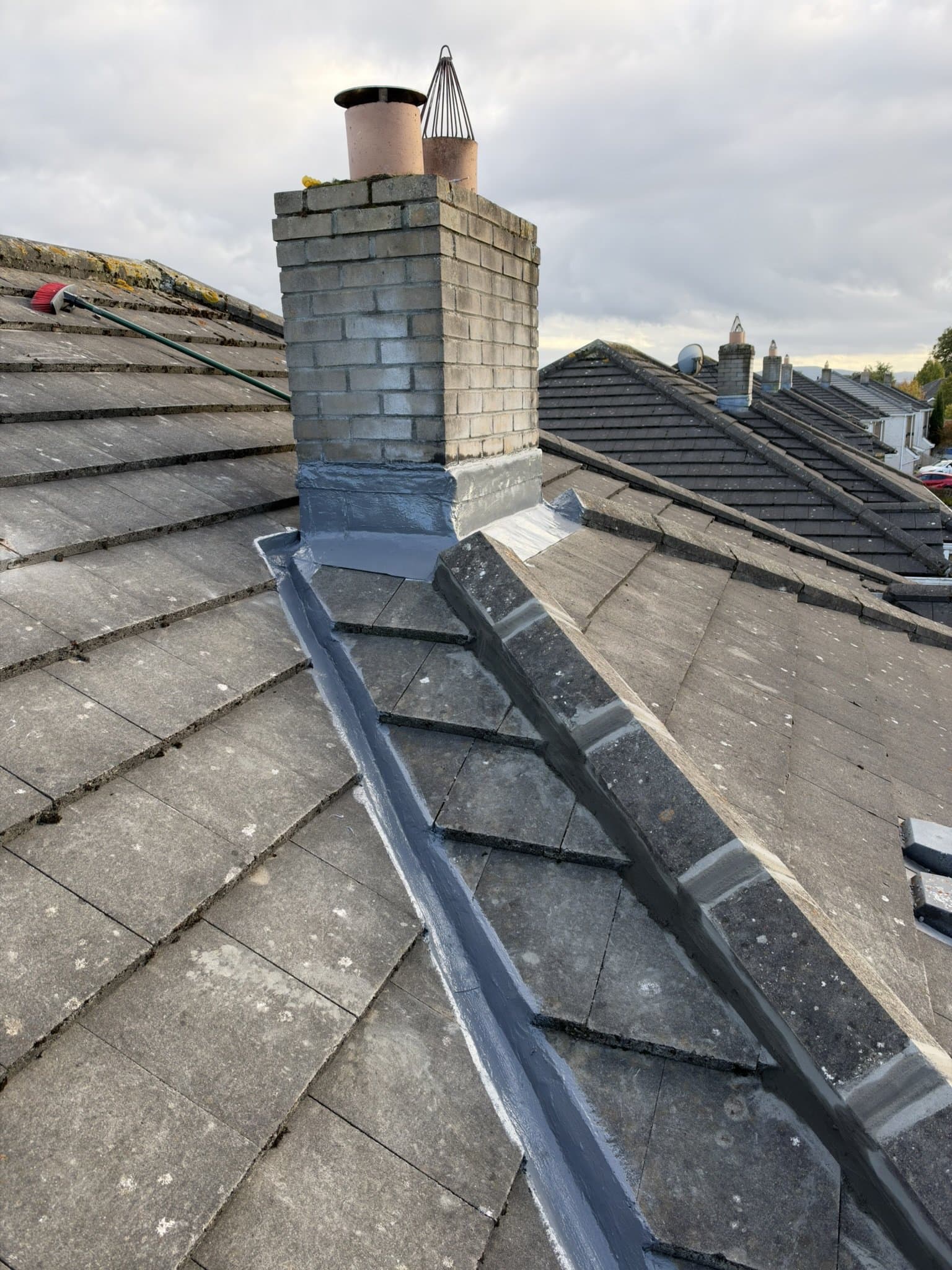
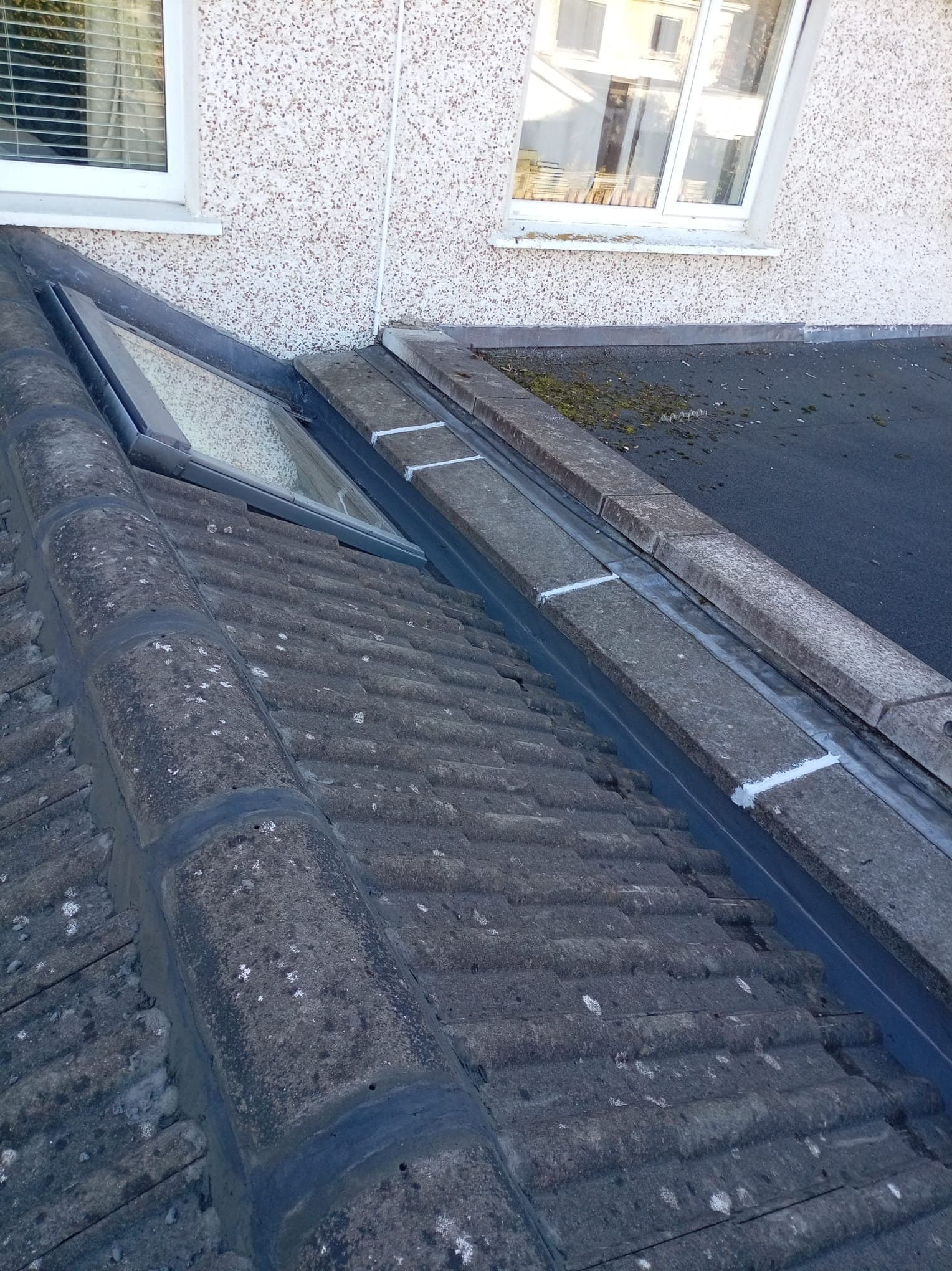
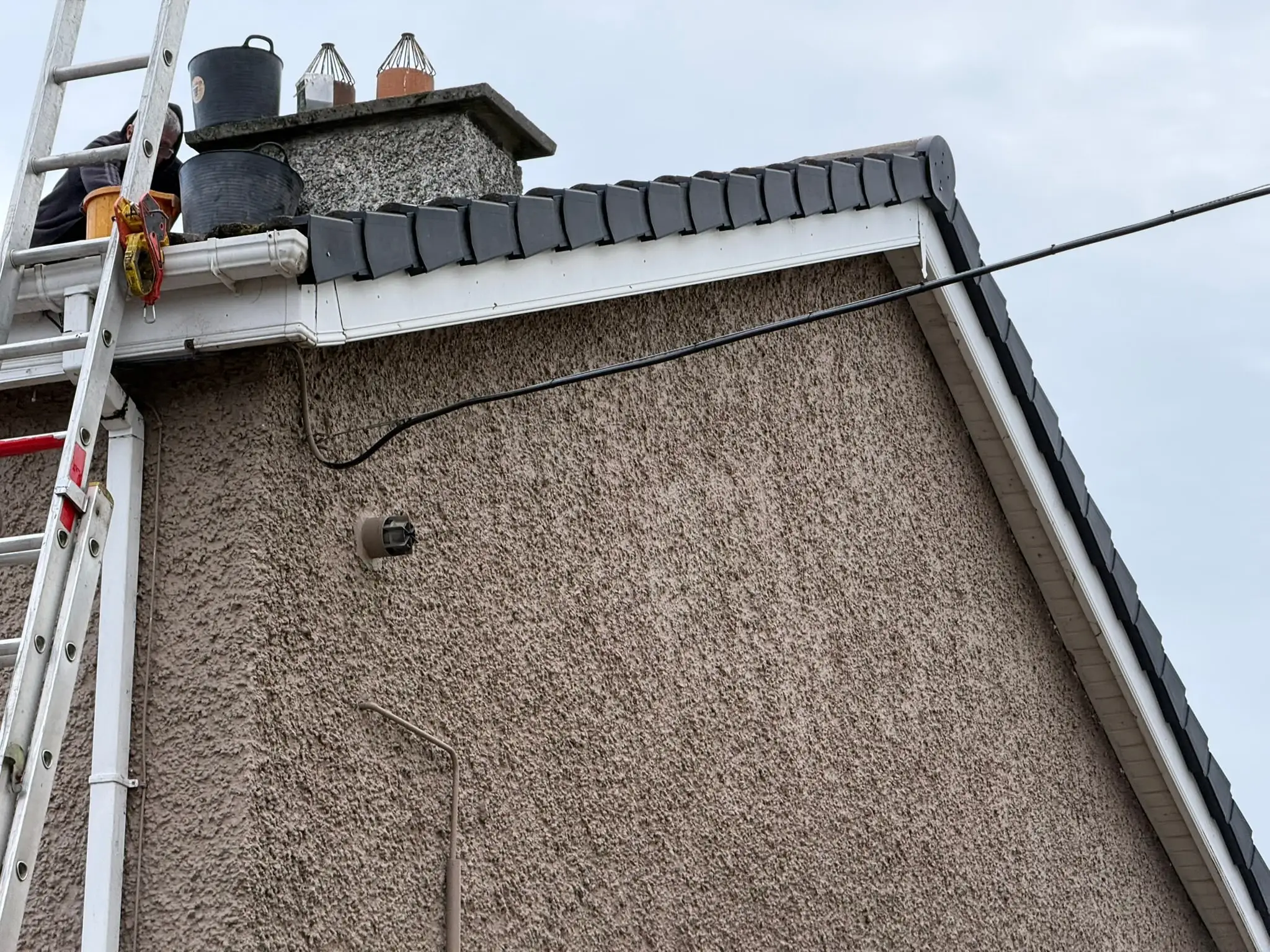
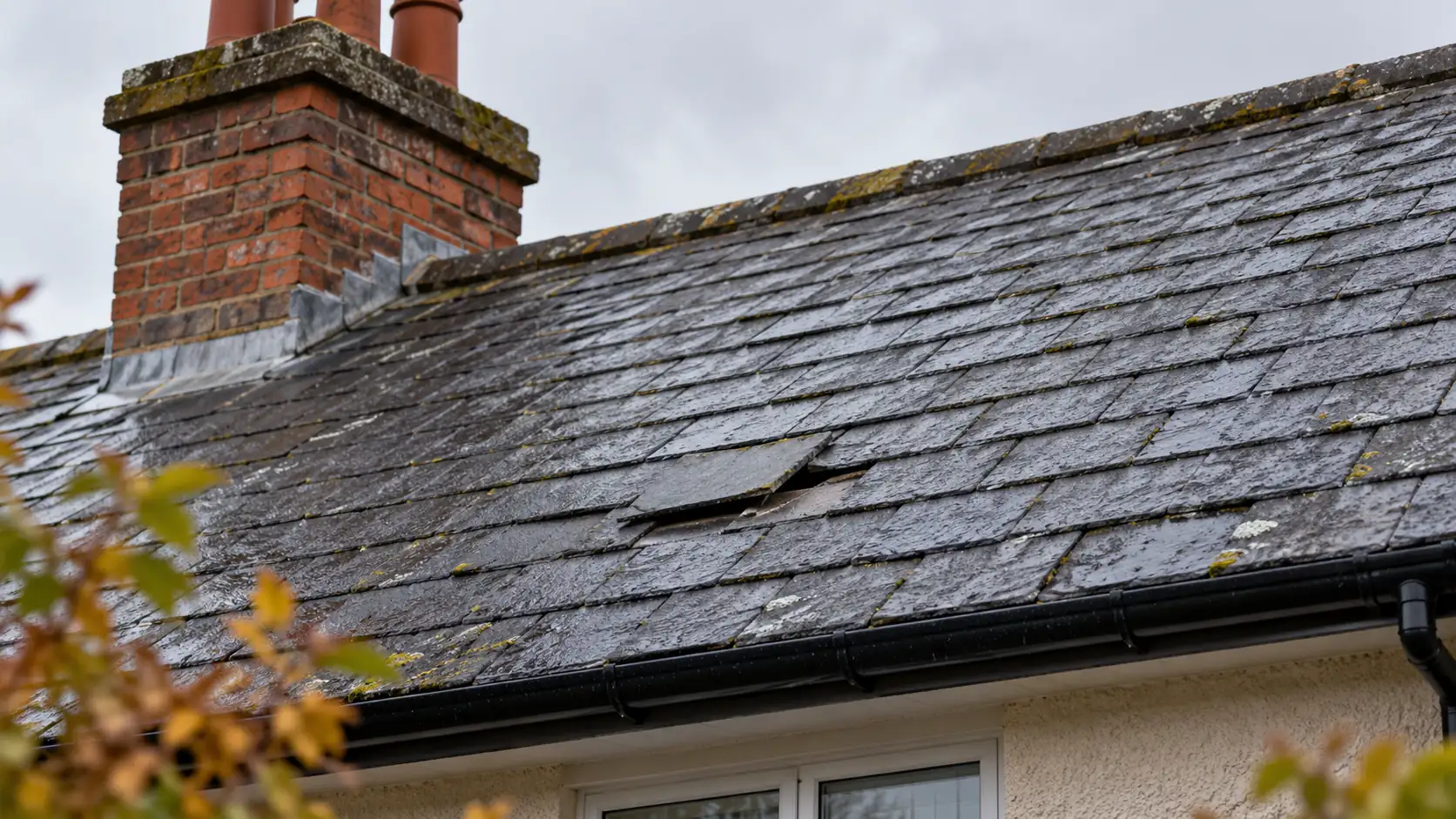
The main image is an AI-generated illustration of a roof defect. The ceiling photograph is also illustrative. Neither records Storm Boelo damage.
Record the change without getting onto the roof
Wait until conditions are safe before making outdoor observations. Stay away from suspect roof edges, damaged walls and debris. Do not use a ladder, lean out of a window or attempt to fit a tarpaulin.
The Health and Safety Authority's roofwork code covers planned access, fall protection and weather assessment. A homeowner's check should stay at ground level or within safely accessible rooms.
How to Record Possible Roof Damage Safely
Gather useful observations from safe ground-level positions and occupied rooms. Stop if doing so would bring you near a hazard.
Supplies Needed:
- A short written note
Tools Needed:
- Phone camera
Step 1: Identify the side of the house
From a safe position, take a wide photograph showing the affected roof slope. On a shared terrace or semi-detached roof, identify your section without approaching loose materials.
Step 2: Photograph the visible change
Use the camera zoom if useful. Record the gap, displaced covering or gutter from where you are standing safely. A distant photograph is better than an unsafe close view.
Step 3: Record indoor symptoms
From a safe room, photograph any new stain and note its position relative to a chimney, outside wall or rooflight. Stay out of rooms with a bulging ceiling or water near electrics.
Step 4: Add the timing
Write down when you first noticed the change and whether water appeared during rain or afterwards. Include older photographs if they show the same area before the event.
A rear extension may be hidden from the street. Say that when enquiring rather than trying to reach it. You do not need a photograph of every roof slope to ask for help.
What the roofer should explain before repairs
An assessment should establish the affected area and whether the fault is isolated. A displaced tile may need a local repair; movement across a larger area may require closer examination of fixings, battens or adjoining details.
Ask what needs attention now, what the proposed repair includes and what remains uncertain. Access, material matching and concealed damage can all change the scope. A photograph helps start the conversation, but cannot settle every part of a quote.
Where urgent protection is needed, ask whether the proposed work is temporary or permanent. Safe temporary weatherproofing may reduce further water entry while conditions or materials prevent a lasting repair. It should come with an explanation of what still needs completing.
Our storm-damage roof repair service covers assessment and repair enquiries across Dublin. The free repair visit is a visual assessment of accessible roof areas and a written repair quote, with no obligation to proceed. A formal roof inspection and report is a separate paid service; agree any further investigation and its cost before proceeding.
Keep useful records if you contact your insurer
Keep your photographs, the date you first noticed the problem, written repair details and invoices. Aviva's Storm Boelo advice recommends photographing damage before emergency repairs and contacting your broker or insurer as soon as possible. Only take photographs where it is safe.
Ask your own insurer what evidence and approvals it requires before permanent work. Explain any urgent safety or weatherproofing need when you contact it. Do not assume a repair will be reimbursed because a named storm occurred.
The CCPC's home-insurance guide distinguishes storm cover from wear and tear, which is usually excluded. The cause and your policy wording matter; the date a leak appeared does not settle the claim.
Questions after a windy weekend
Frequently Asked Questions
Arrange the right next step for your roof
If you have noticed roof damage after a storm, send the clearest safe view you have with your address and a short description of what changed. Use our repair quote request for a stable concern, or call if water is entering now or materials are loose.
Secure Top Roofing is based in Blanchardstown, Dublin 15, and serves homeowners across Dublin. We can discuss whether your concern needs a repair visit or a separate inspection report, then agree the scope before work begins.
Get a Clear Repair Quote for Your Roof
Arrange a visual assessment of accessible roof areas and a written repair quote. Formal reports and further investigation are agreed separately.
No Obligation to Proceed • Fully Insured • Established 2017