

After a bright summer, a roof problem can feel as though it has gone away. The stain has dried, the gutter has stopped overflowing and the room no longer smells damp. Usually, the weather has changed rather than the roof.
Late summer is often one of the best times to arrange a roof inspection in Dublin. There are usually more workable dry periods for a proper assessment and planned repair, without repeatedly waiting for rain to stop before the roof can be opened safely.
Book a roof check now if you noticed a leak, stain, loose slate, cracked mortar or overflowing gutter earlier in the year. Drier conditions can make inspection and repair more straightforward, with fewer weather interruptions. Finding the fault before frequent autumn rain returns also gives you time to choose a proper repair rather than react to water coming through the ceiling.
Use the Remaining Dry Weather to Check Your Roof
Arrange an inspection now and get a clear explanation of anything that should be repaired before autumn rain.
✅ Free Quote • No Hidden Costs • Same-Day Response
Table of Contents
- Why late summer helps
- What sunshine hides
- Problems worth checking
- A safe 15-minute check
- What an inspection should tell you
- When not to wait
- Frequently asked questions
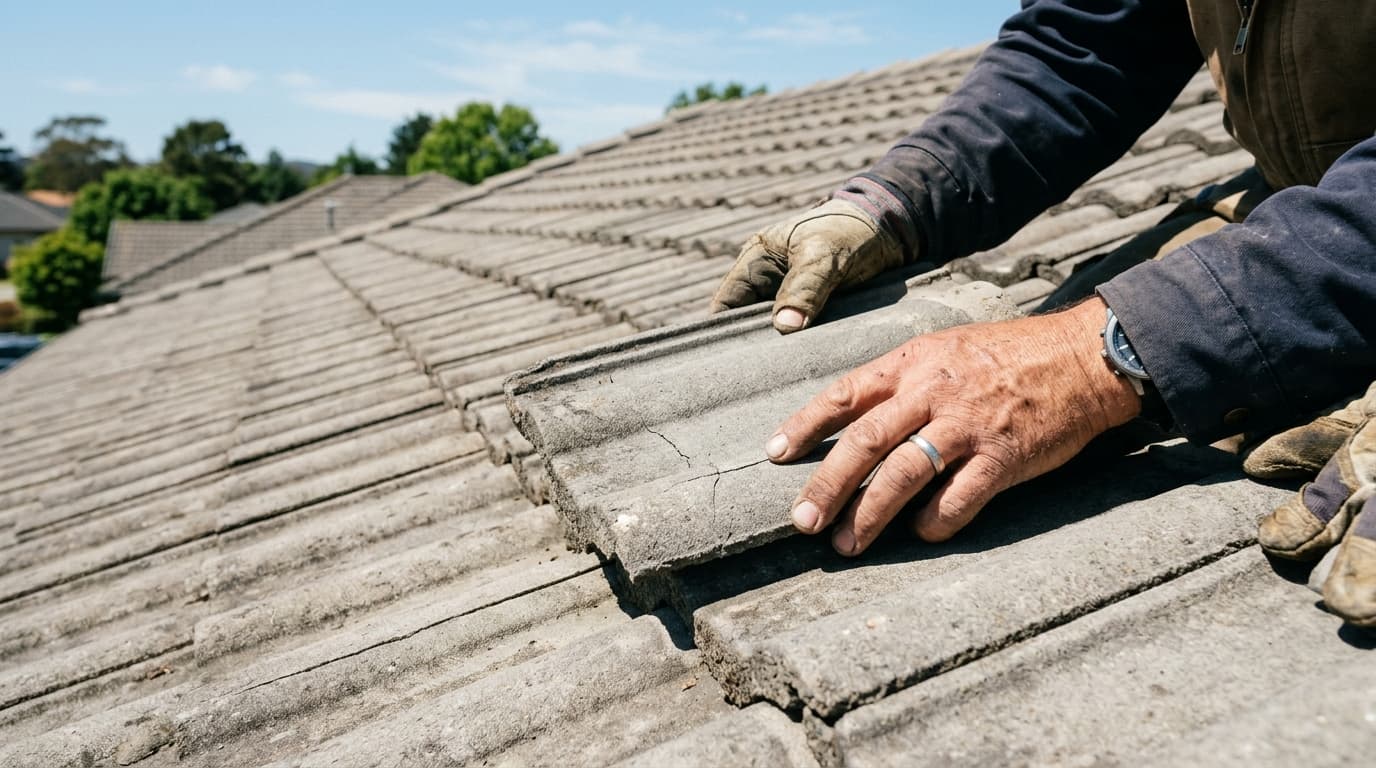
Why Late Summer Is a Good Time for a Roof Inspection in Dublin
A roof is not like an indoor room where work can continue regardless of the weather. If an area needs to be opened, the roofer must protect the layers beneath it and avoid exposing the house to rain.
Wet conditions can also affect safe access and whether certain repair materials can be applied correctly. A repair involving mortar, coatings, membranes or sealants may need suitable surface and weather conditions, depending on the system being used.
During a settled dry spell, there is less chance of a job stopping halfway through because rain has arrived. That can mean:
- a clearer view of tiles, slates, mortar, flashing and gutters;
- more continuous working time once the correct repair is agreed;
- less need to open, protect and reopen the same area; and
- more flexibility to deal with a small fault before it becomes an active leak.
This is not a promise that every job will be completed immediately. Roof type, access, the repair method, material availability and the condition found beneath the covering still decide the schedule. The advantage is simply that dry working days remove one common source of delay.
Sunshine Can Hide a Roof Problem, but It Does Not Repair It
Rain is often what reveals a roofing fault. Water passes through a gap, follows the underlay or timber, and appears somewhere inside. When the rain stops, the visible symptom may dry out even though the entry point remains unchanged.
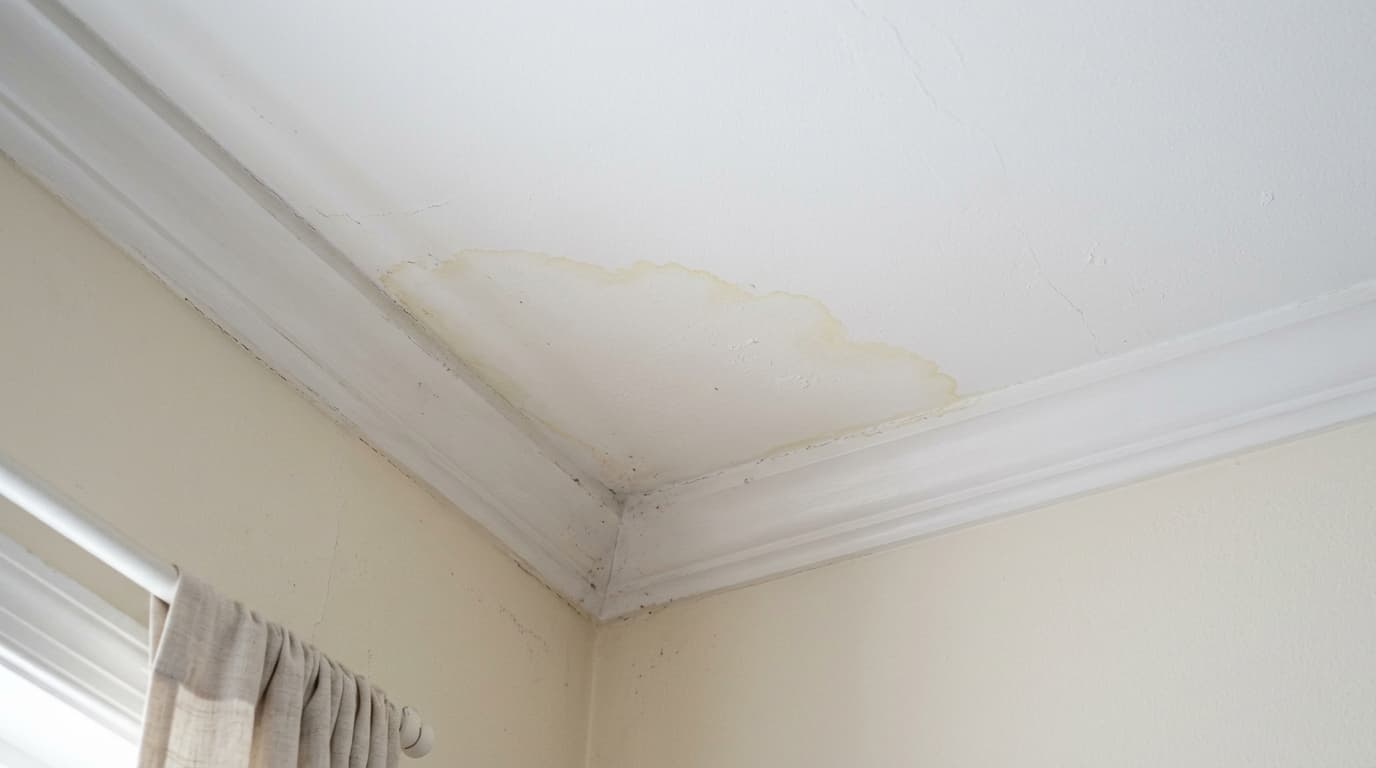
A faint ceiling mark deserves attention if it appeared after rain. Painting over it may improve the room, but it removes a useful clue before anyone has traced the water path.
The same applies outside. A slipped slate may stay in place during calm weather. Cracked ridge or verge mortar may look dry and harmless. A blocked gutter may hold leaves and plant growth without overflowing until the next sustained shower.
If you remember an issue from spring or early summer, write down where and when you saw it. Photos, even older phone photos, can help a professional roof inspection connect the dry-day condition with what happened during rain.
The End-of-Summer Roof Problems Worth Checking
You do not need to diagnose the repair yourself. The aim is to recover the clues that summer may have pushed out of mind and decide whether the roof needs inspection, maintenance or prompt repair.
| What you remember or can see safely | What it may point to | Sensible next step |
|---|---|---|
| A ceiling or wall stain that appeared after rain | Water entering at a tile, flashing, valley, chimney or another detail higher up | Photograph the mark and arrange an inspection before decorating |
| A tile or slate that looks cracked, slipped or out of line | A local covering defect or failed fixing | Use phone zoom from ground level and request a roof assessment |
| Dry, loose or missing mortar at a ridge or verge | Weathered bedding that may no longer hold the tiles securely | Keep clear of the area below and have the detail checked |
| Gutters with moss, plants or visible debris | Restricted flow that may overflow during heavier rain | Arrange safe cleaning and check the joints, falls and downpipes |
| Damp smells, dark timber or wet insulation in an accessible attic | A past leak, condensation or both | Record when it appears and ask for the moisture source to be diagnosed |
| No known symptom, but the roof has missed routine checks | Normal wear may be developing without an internal sign | Consider planned roof maintenance, especially before wetter months |
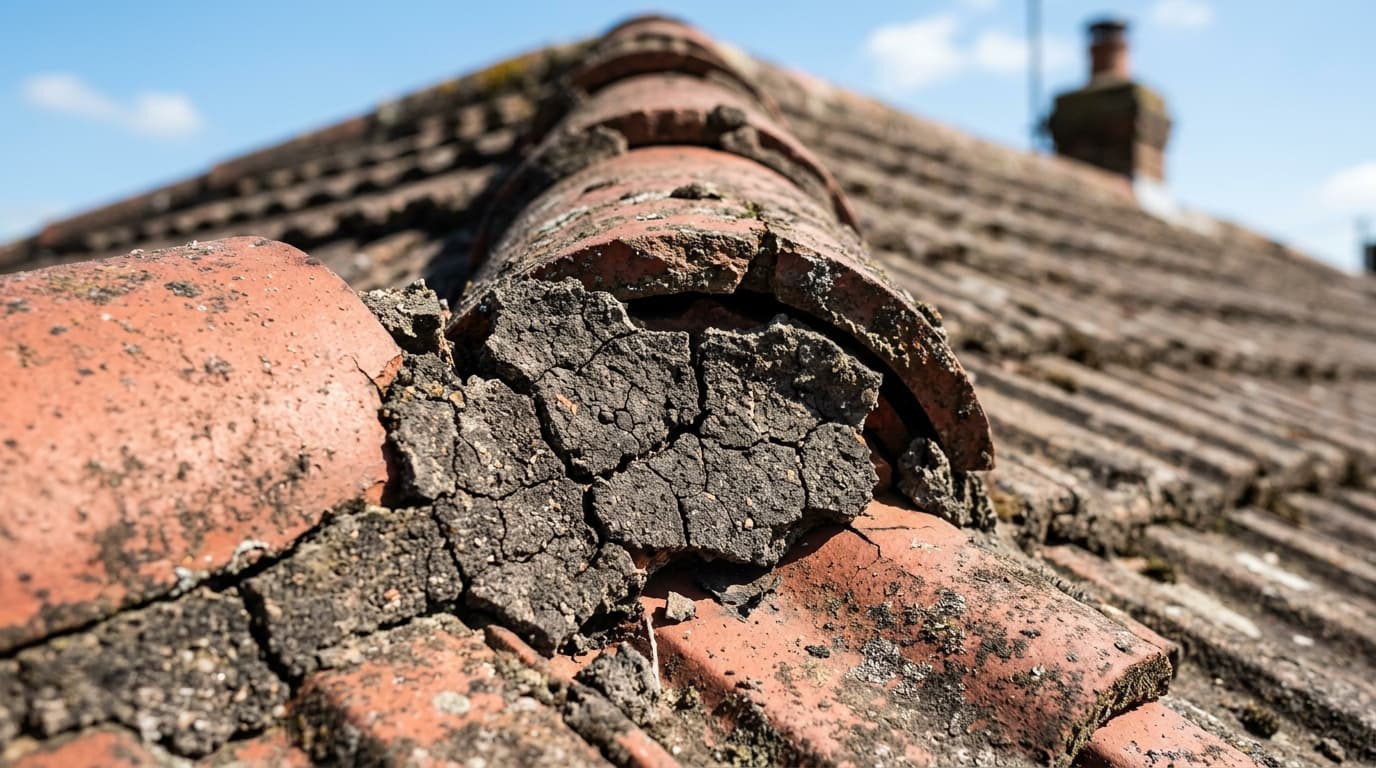
Cracked mortar does not automatically mean the whole ridge needs replacing. The tiles, bedding, fixings and surrounding roof covering should be assessed together. A local repair may be enough; widespread movement may justify a different scope.
That measured approach matters. A roof check should not be an excuse to sell a replacement. It should separate what is sound, what needs monitoring and what is likely to let water in when the weather changes.
Do a Safe 15-Minute Roof Check From the Ground
Keep your own check simple. Do not climb a ladder, walk on the roof or lean out of an upstairs window. A phone camera, a torch and a few notes can give a roofer useful starting information.
How to Check Your Roof Before Autumn Rain
A short ground-level and indoor check for roof problems that may have gone quiet during summer.
Supplies Needed:
- Notebook or notes app
Tools Needed:
- Phone camera with zoom
- Torch
Step 1: Recall earlier warning signs
Note any leaks, stains, damp smells, gutter overflow, loose materials or unusual noises you noticed during rain or wind earlier in the year.
Step 2: Photograph the roof from ground level
Stand in a safe position and use phone zoom to record the roof slopes, ridge, chimney and edges. Do not climb for a closer view.
Step 3: Check ceilings and upper walls
Look for faint staining, bubbling paint or cracks that changed after rain. Photograph the wider room and a close view of each mark.
Step 4: Look inside the attic only if access is safe
From a boarded or otherwise secure position, use a torch to look for dark marks, damp insulation or daylight. Do not step between joists or disturb wiring.
Step 5: Inspect gutters without touching them
From the ground, look for sagging runs, plant growth, staining below joints and debris at outlets. Leave high-level clearing to someone with safe access equipment.
Step 6: Send the evidence with your enquiry
Share the photos and timing notes when requesting an inspection. They are useful clues, but the repair should be based on the full roof condition.
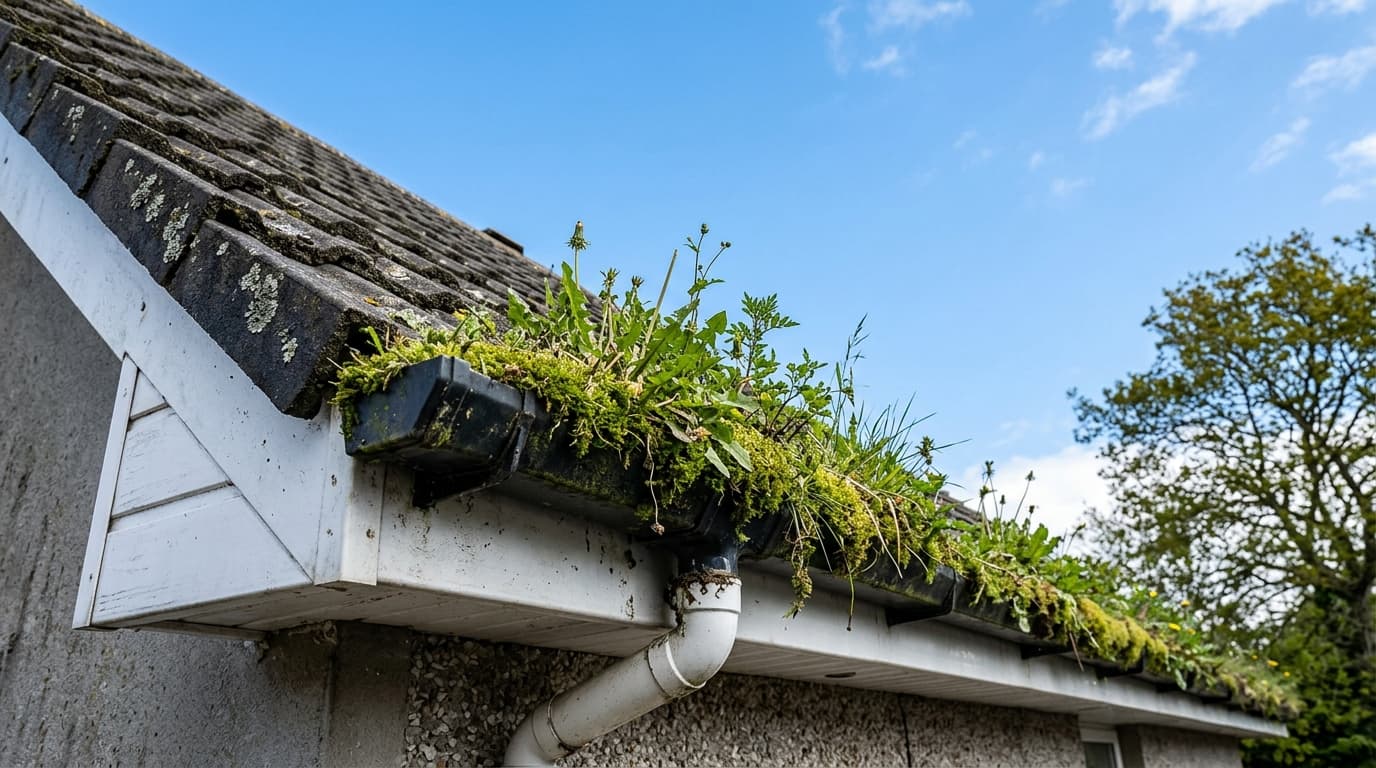
Gutters are easy to forget when it has not rained heavily. Once autumn leaves and regular rainfall arrive together, an already restricted outlet can overflow onto fascia boards, walls or the ground below. Our gutter, fascia and soffit repair service covers both blockages and defects found after the channel is cleared.
What a Useful Roof Inspection Should Tell You
A good inspection should leave you with a decision, not just a collection of roof photos. You should understand:
- where water is most likely entering, if there has been a leak;
- which materials are damaged and which remain serviceable;
- whether the issue needs repair now, planned maintenance or monitoring;
- what access and weather conditions the repair needs; and
- what is included in the written scope and quote.
If repair is recommended, ask how it deals with the source rather than only the visible symptom. For example, a ceiling stain may sit several metres away from the point where rain first entered. A surface patch over the stain cannot correct that route.
Cost depends on access, roof height and pitch, material type, the area that must be opened, and any damage found beneath. The Dublin roofing costs guide gives guide pricing and explains why an inspection is needed before a final quote.
Secure Top Roofing is based in Blanchardstown, Dublin 15 and works across Dublin and surrounding areas. The company is fully insured, established in 2017, and backs completed work with a 10-year workmanship guarantee.
When Not to Wait for a Routine Appointment
Most end-of-summer checks are planned maintenance. A faint old stain or a gutter that needs attention does not need emergency language.
Move more quickly if water is actively entering the house, part of the ceiling is sagging, tiles or masonry appear loose above a path, or the roofline has visibly changed. Keep people away from the area below and call for professional advice rather than investigating at height.
For a concern that is stable and dry, use the remaining workable weather to arrange a Dublin roof repair assessment. If you are weighing the cost of acting now against waiting, our guide to the real effect of delaying roof repairs explains how repeated water entry can widen a repair scope.
Late-Summer Roof Inspection Questions
Roof Checks Before Autumn Rain
Late summer is often an excellent time because there may be longer dry working windows and fewer weather interruptions. An inspection is still worthwhile at any time if you have an active leak, loose material or another safety concern.
Deal With the Fault While the Weather Gives You Room
The end of summer is useful because it gives you choices. You can recover the problem you meant to address, arrange a proper inspection and schedule suitable work before persistent rain turns it into an urgent call.
Start with what you already know: the old stain, the overflowing gutter, the cracked mortar or the slate that never looked quite right. Send photos with your roof inspection and repair quote request, and we will explain the next step in plain English.
Get Your Roof Checked Before Autumn Rain
Arrange a clear roof assessment while drier working days can make inspection and planned repairs more straightforward.
Fully Insured • Established 2017 • 10-Year Workmanship Guarantee