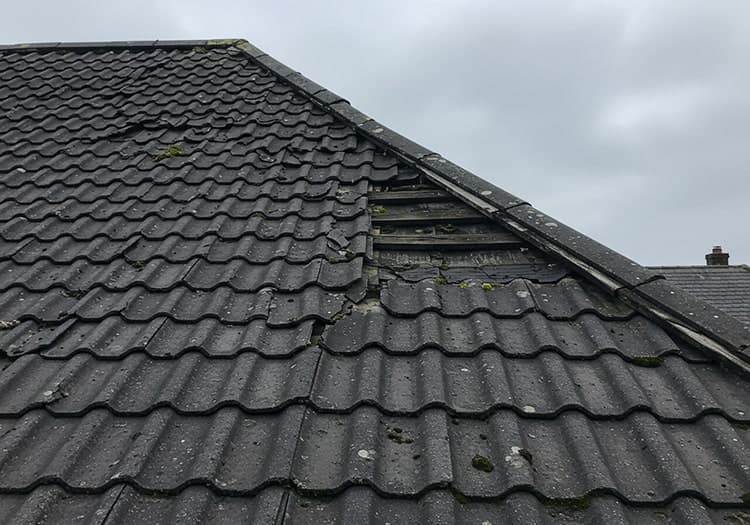
Since January 1, 2026, most homeowners we meet have said the same line: it feels like it has rained every day in Ireland.
That pressure shows up fast on roofs. Dublin already sees 750mm+ rainfall in a typical year, and Met Eireann January 2026 climate statement (issued February 4, 2026) reported County Dublin had its second wettest January on record, with 22 rain days at Casement Aerodrome. When rain keeps returning, small faults do not stay small for long.
If you already have a leak, this guide explains what delay really costs, where money gets lost, and how to avoid paying twice for the same repair.
Delaying roof repairs in Dublin usually increases total cost by expanding the scope of damage. What begins as one local repair often becomes multiple repairs across slates, felt, insulation, plasterboard, and sometimes timber. The same pattern happens after low-quality patch jobs: we first need to undo bad work before we can fix the real fault. Fast, proper repair is nearly always the cheaper route.
Stop A Small Leak Before It Becomes A Rebuild
Ready to fix your roof? Get a detailed, no-obligation quote from Dublin's trusted roofing experts. Most quotes provided within 24 hours.
Free Quote • Same-Day Response • Proper Root-Cause Repair
Why Delay Multiplies Cost In Dublin Weather
Water rarely drops straight down from the first visible stain. It tracks sideways, follows timbers, and soaks materials that you cannot see from the room below.
1. Water spreads beyond the original fault
A lifted flashing edge or one slipped slate can look minor from ground level. But during repeated rain cycles, moisture travels under surrounding materials and opens new failure points. A one-location fix can turn into a multi-location repair.
2. Wet insulation loses performance quickly
Once attic insulation is damp, thermal performance drops and drying takes time. Even after leak repair, affected sections often need replacement to restore proper efficiency.
3. Timber and plasterboard damage escalates silently
Persistent moisture leads to timber degradation, stained ceilings, and blown plasterboard joints. The longer this continues, the more likely joinery and interior rework become part of the bill.
4. Poor temporary patches create extra rework
We often see silicone smears, paint-on sealants, and rushed overlays used as a quick fix. These can trap moisture, mask the true fault, and make proper diagnosis harder. The final scope increases because we must remove failed patch materials first.

Recent Dublin Cases: Where Delay Added Major Cost
These are recent patterns from call-outs across Dublin 15, Swords, and Tallaght. Details are anonymised, but the cost pattern is real.
Case 1: Five-week delay after first inspection
At first inspection, the fault was local: displaced slate and failing lead detail near a chimney. Our recommendation was a contained roof leak repair with one access setup.
The homeowner waited five weeks through repeated rain. By the time we returned, moisture had spread through underlay and insulation, and interior staining had expanded.
Result: broader scope, more labour, more materials, and additional interior follow-up. The customer told us directly they wished they had approved the first plan, because that first-time repair would have avoided most of the added spend.
Case 2: Cheap patch job from another contractor
A homeowner chose a low quote from a non-specialist who used heavy surface sealant around valley junctions. The leak slowed for a short period, then returned worse.
When we inspected, trapped moisture and blocked drainage paths had created wider damage. We had to strip failed patch material, restore proper water paths, and complete a correct repair sequence.
Result: the homeowner paid for two jobs instead of one. Undoing poor work added time and cost that could have been avoided by getting the root cause fixed first.
Case 3: "It looked fixed" but the underlying fault remained
In another job, visible tiles had been replaced, but the critical detail beneath was never corrected. Rain ingress continued behind the repaired area and spread along rafters.
When we reopened the section, there was more hidden damage than expected, including damp timber and affected insulation.
Result: what should have been a single, planned roof repair became a larger remedial project. Early, complete repair would have been significantly cheaper than repeat call-outs plus remedial work.
Fix Once Or Pay Twice: Typical Cost Pattern
We do not publish exact prices without an inspection, but the pattern below is consistent.
| Scenario | If fixed promptly | If delayed or badly patched |
|---|---|---|
| Local slate or flashing fault | One contained repair visit | Multi-area repair after spread |
| Early leak marks in attic | Drying + local correction | Insulation replacement + interior damage work |
| Valley drainage fault | Correct detail and flow restoration | Strip-back, cleanup, and broader water-track repairs |
| Low-quality prior patch | Minor correction if caught early | Removal of failed patch + full remedial repair |
In plain terms: delay usually moves the job from one trade to several, from one area to many, and from planned scheduling to urgent scheduling.
What Drives Final Roof Repair Cost In Dublin
If you want a reliable quote, these are the variables that matter most:
Access and safety setup
Roof height, pitch, and safe working access affect setup time and labour planning. Scaffolding requirements can change the overall scope.
Extent of moisture spread
The visible leak point is not always the full problem. We inspect the full water path to avoid under-scoping.
Material and detail type
Leadwork specification, tile or slate compatibility, and detail complexity all affect final repair method.
Existing workmanship quality
If previous repairs were incomplete, we often need to remove and rebuild sections correctly. Rework is one of the biggest avoidable cost drivers.
Timing
Acting early keeps repair scope smaller. Waiting until multiple rain cycles have passed usually increases labour and materials.
By staying local to Dublin and nearby areas, we keep travel and logistics efficient. That local setup typically saves homeowners 15 to 20 percent versus larger, high-overhead contractors.
For a wider budgeting view, see our Dublin roofing costs guide and our 2026 roof repair pricing breakdown.
How To Avoid Paying Twice For The Same Problem
- Book a roof inspection as soon as you spot staining, damp, or slipped materials.
- Ask for clear fault photos and a root-cause explanation, not just a surface patch.
- Confirm insurance, safety method, and what is included in scope.
- Prioritise durable repair over the lowest headline quote.
- If another contractor already patched it, request a full remedial assessment before more spot fixes.
If the damage has already spread, it can be worth weighing repair against replacement — our repair vs replacement decision guide has a quick 10-point scoring system for that call.
If you are comparing contractors, our guide on how to avoid roofing scams in Dublin helps with screening questions.

How to Spot a Roof Leak Safely
Simple checks you can do from ground level to catch roof leaks early.
Supplies Needed:
- Notebook
- Phone camera
Tools Needed:
- Torch
- Phone zoom
Step 1: Check ceilings and wall junctions
Look for fresh staining, bubbling paint, or damp patches after rainfall.
Step 2: Inspect attic safely
Use a torch to check for dark damp marks, wet insulation, or visible drips. Do not step onto unsupported areas.
Step 3: Check gutters and valleys from ground level
Look for overflow marks, blocked outlets, or water spilling where it should not.
Step 4: Photograph roof lines
Use phone zoom to spot missing slates, lifted flashing, or uneven sections, then send photos for early triage.
Frequently Asked Questions
Final Word: The Cheapest Repair Is Usually The First Proper Repair
If your roof has started leaking, delay is rarely neutral. In current conditions, each wet day increases the chance that a contained job turns into a broader remedial project.
You can avoid that outcome. Get the fault identified properly, fix the root cause, and protect the rest of your home before the scope grows.
For urgent assessment, request a same-day roof repair visit in Dublin or contact our team.
Get A Proper First-Time Fix
Ready to fix your roof? Get a detailed, no-obligation quote from Dublin's trusted roofing experts. Most quotes provided within 24 hours.
Free Inspection • Clear Scope • No Guesswork