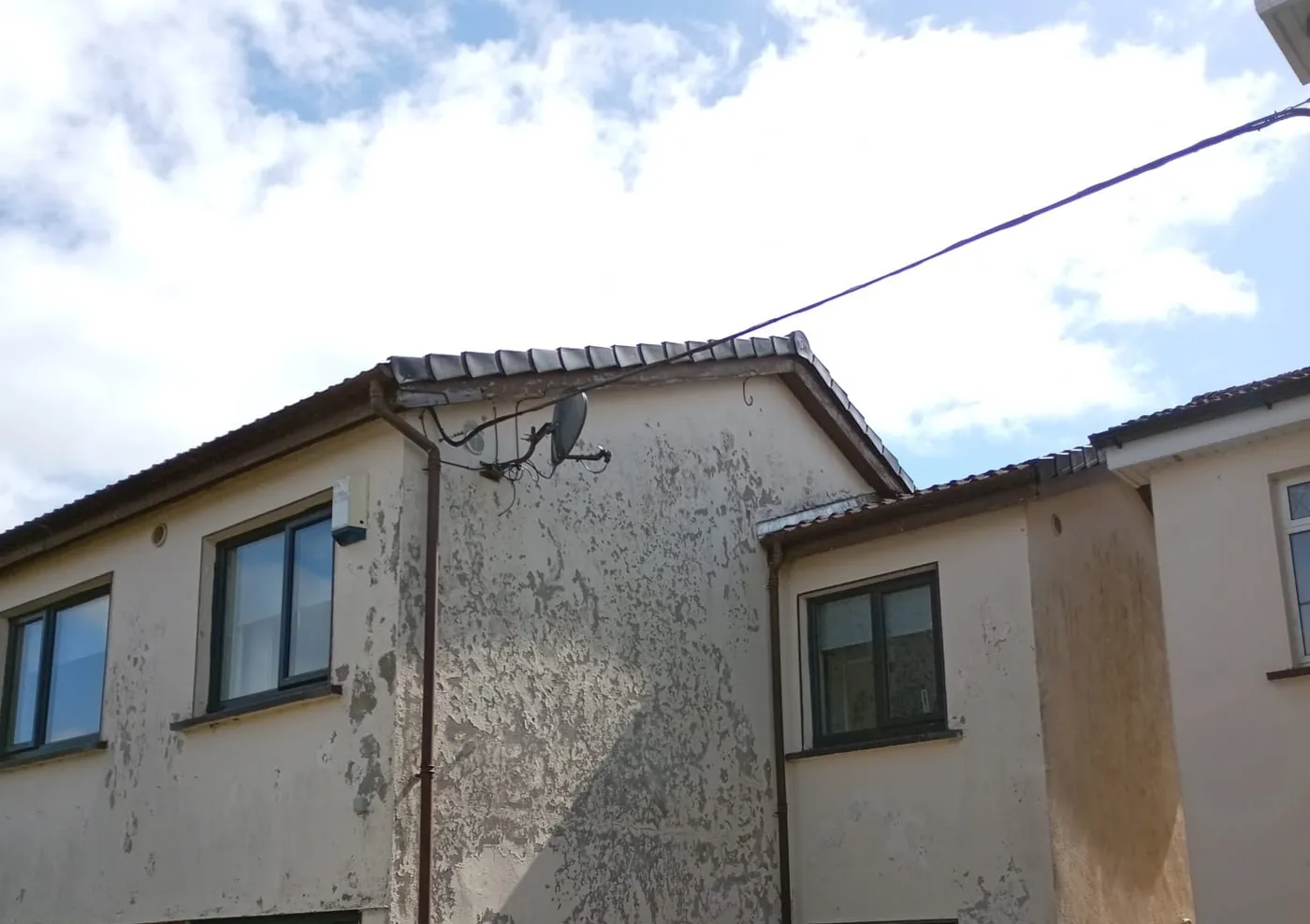

We were out in Dunboyne, Co. Meath recently on a job that's about as common as it gets on Irish roofs: a tired gable edge and a ridge line that had started to crack and crumble. The fix was two jobs in one — a dry verge installation along the gable ends and ridge tile repointing along the top of the roof.
It's just up the road from our base in Dublin 15, so it's our patch and exactly the kind of weather-beaten edge work we do week in, week out. Here's what we found, what we did, and what a job like this costs — with the real before-and-after photos.
On this Dunboyne roof we:
- Stripped the old, cracked mortar from the gable verge
- Fitted a modern dry verge system to lock the edge tiles down
- Raked out and renewed the failed ridge tile pointing along the roof's peak
- Left a clean, weather-tight finish built to handle Irish wind and rain
Keep reading for the full before-and-after and what it all costs...
Get Your Free Roofing Quote Today
Ready to fix your roof? Get a detailed, no-obligation quote from Dunboyne, Co. Meath's trusted roofing experts. Most quotes provided within 24 hours.
✅ Free Quote • No Hidden Costs • Same-Day Response
What We Did: Dry Verge on the Gable Ends
The gable verge is the sloped edge of the roof, and on most older Dublin and Meath homes it's held in place with a strip of sand-and-cement mortar. It works grand for years — then Irish weather gets to it.
On this roof the mortar had cracked and pulled away in places, leaving the edge tiles loose. That's the classic warning sign: once the mortar lets go, wind gets underneath the tiles and lifts them, and rain follows the same path straight to the timbers.
Rather than just patch the mortar (which would crack again), we fitted a dry verge system — interlocking caps that mechanically clamp the edge tiles to the roof. No mortar to crack, no annual repointing, and a clean modern finish. Slide the handle below to see the difference.
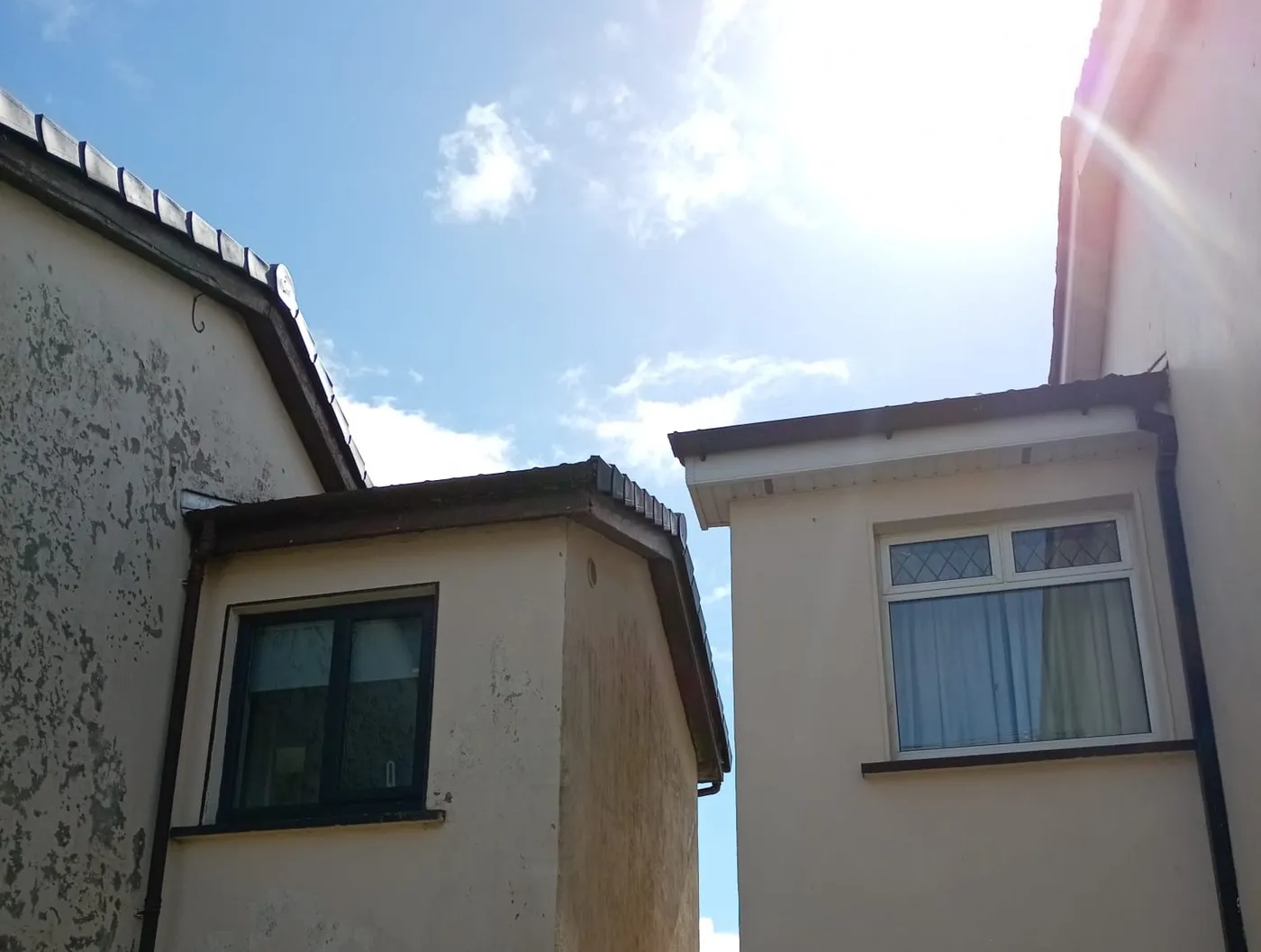
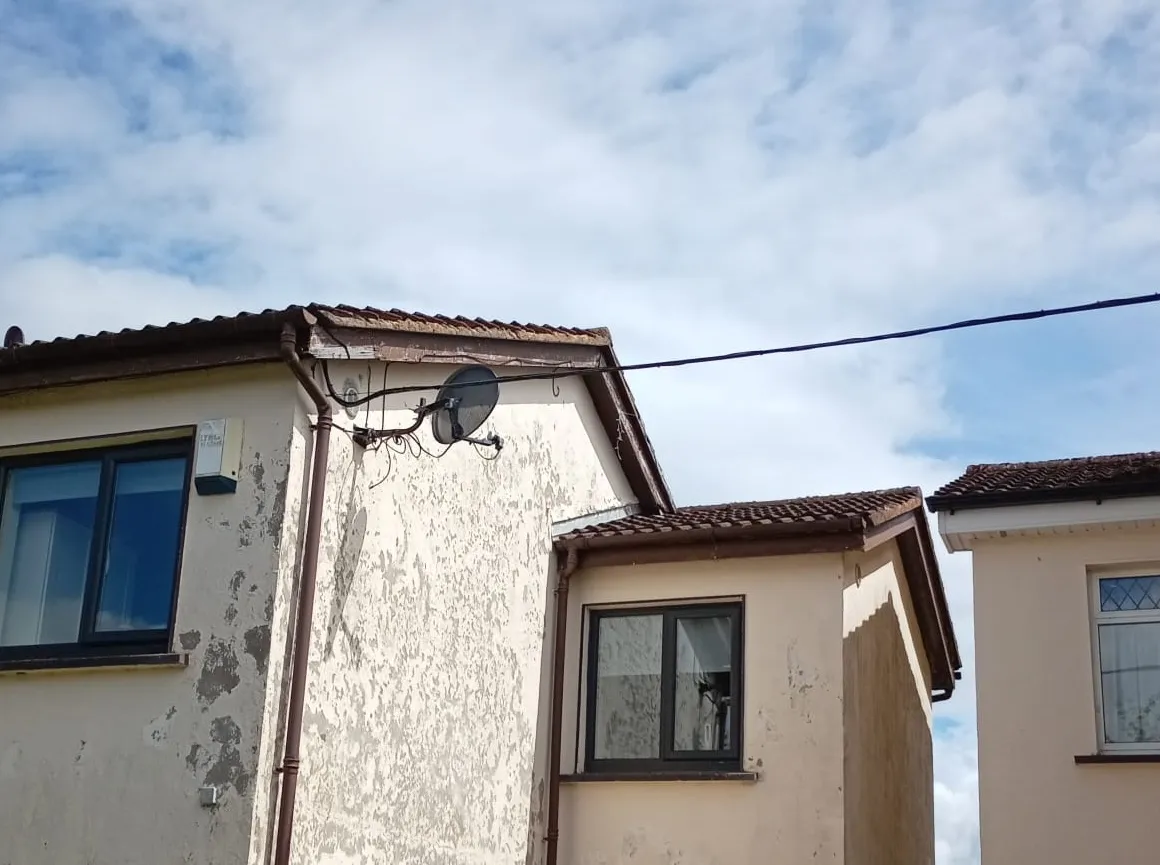
Drag the handle, click the image, or use the left and right arrow keys to compare the before and after.
If you want the full background on why we recommend these, we wrote a complete guide to why dry verge protects Irish roofs from wind damage. The short version: it turns a recurring maintenance headache into a one-and-done fix.
Ridge Tile Repointing: Renewing the Ridge Line
The ridge is the very top of the roof, where the two slopes meet. The ridge tiles that cap it are traditionally bedded and pointed in mortar — and just like the verge, that mortar is the first thing to fail.
On this Dunboyne roof the ridge pointing was cracked and crumbling, with gaps opening up between the tiles. Left alone, that's an open invitation for water and wind to get under the ridge caps.
Here's the deal: where the ridge tiles themselves are still sound and well bedded, repointing is the right call. We rake out the old, failed mortar, brush everything clean, and renew the pointing with fresh, weather-resistant mortar — restoring the seal without disturbing tiles that don't need it. Here's the ridge before and after.
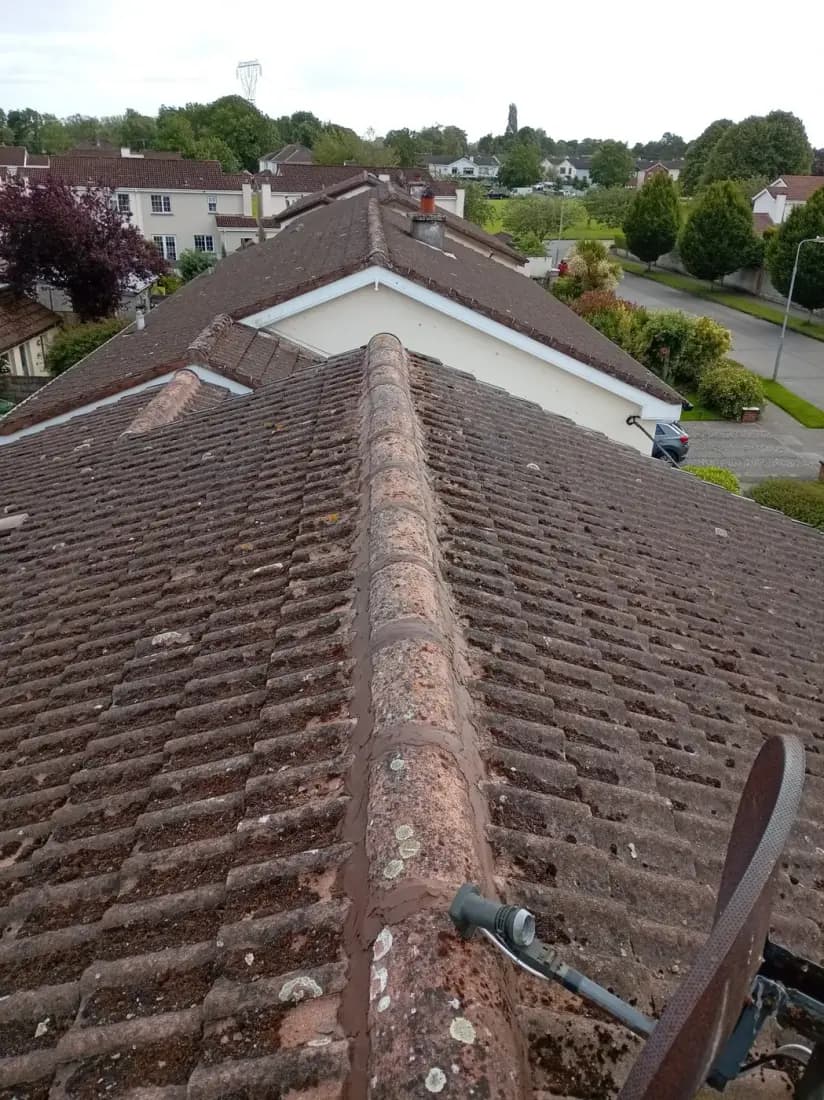
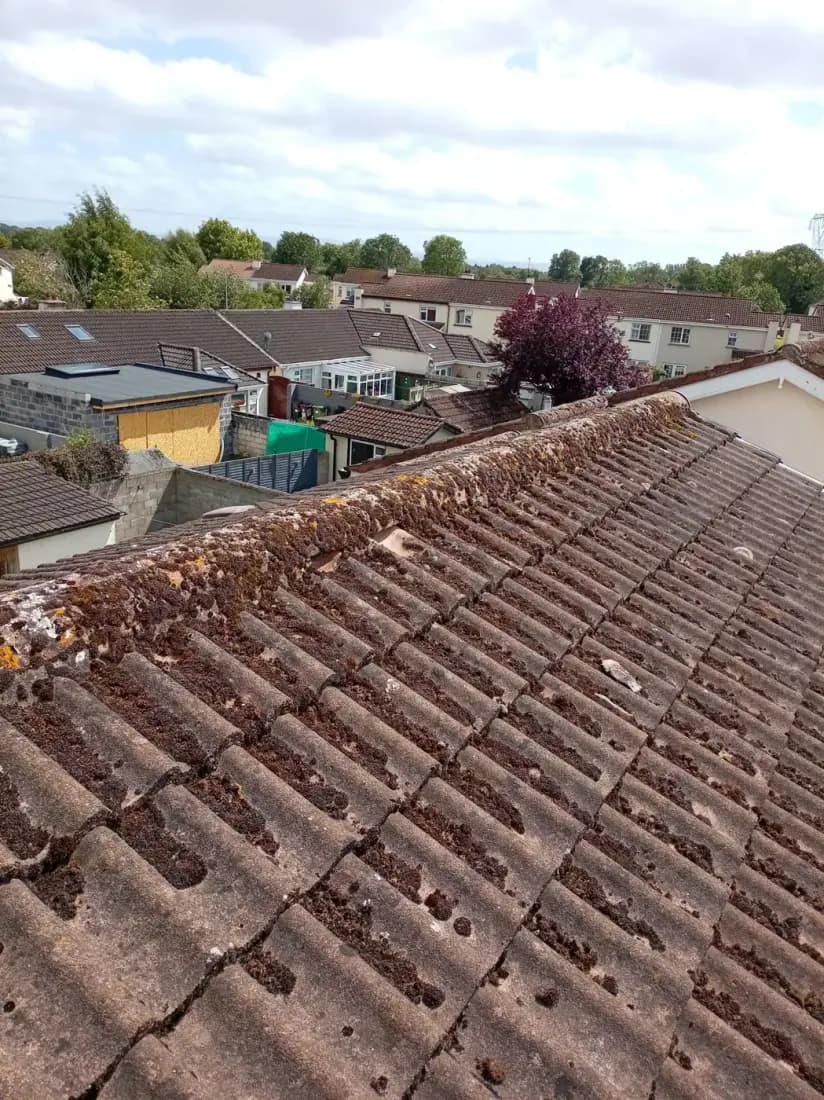
Drag the handle, click the image, or use the left and right arrow keys to compare the before and after.
Repointing, Re-Bedding or Dry Ridge: What's the Difference?
This is the question we get asked most, so let's clear it up. There are three different jobs people lump together, and they cost very different amounts.
- Repointing: Raking out the old mortar pointing between sound ridge tiles and renewing it. The lightest fix — right when the tiles and their bedding are still solid, as they were here.
- Re-bedding: Lifting the ridge tiles off completely, removing the old bedding, and re-bedding them in fresh mortar. The job when the bedding underneath has failed, not just the surface pointing.
- Dry ridge system: Replacing mortar bedding altogether with a mechanical, ventilated dry ridge — the same idea as dry verge, but along the top of the roof. The longest-lasting option.
The honest answer is that the right choice depends on what we find when we get up there. We'll always tell you straight whether a repoint will see you right for years or whether the bedding's gone and you'd be throwing good money after bad.
Need Expert Roofing Advice?
Unsure about your roof's condition? Get professional advice from our experienced Dunboyne roofing team. Free consultations available.
🎯 Expert Advice • Free Consultation • Local Team
Why Roof Edges and Ridges Fail in Irish Weather
Think of mortar as the rain jacket on the most exposed parts of your roof. The verge and the ridge take the full brunt of the wind, so they're always first to go.
Dunboyne and the wider Meath–Dublin commuter belt get the same Atlantic weather as the city, and a lot of the housing stock here went up in the 1980s, '90s and 2000s. That generation of roofs is now hitting the age where the original mortar has simply had enough.
Once a crack opens, water gets in, freezes, expands, and widens the gap — and every storm that follows lifts a little more. Catching it at the "cracked mortar" stage, like this homeowner did, is far cheaper than waiting for slipped tiles and a leaking attic. If you're not sure what shape your edges and ridge are in, a professional roof inspection will tell you exactly where you stand.
What Affects the Cost of Dry Verge and Ridge Work
We believe in being upfront about what drives a quote, so here's how it works.
For dry verge installation, the main things that move the price are the linear metres of verge, the roof pitch, and whether the job needs scaffolding for safe access.
Ridge tile repointing is priced per job, because it depends on the length of the ridge, the access, and the condition of the bedding underneath once we get a proper look. If the bedding has failed and re-bedding or a dry ridge system makes more sense, we'll explain why before any work starts — never the other way around.
Because every roof is different, the only way to a real number is a quick, free look. We're fully insured, we cover Dunboyne and across Meath, Kildare and Dublin, and we leave the site as tidy as we found it.
Frequently Asked Questions
Dry Verge & Ridge Repointing FAQs
Ridge tile repointing means raking out the old, cracked mortar pointing between your ridge tiles and renewing it with fresh, weather-resistant mortar. When the ridge tiles and their bedding are still sound, a proper repoint restores the seal and typically lasts many years. If the bedding underneath has failed, we will recommend re-bedding or a dry ridge system instead.
Thinking About Your Own Roof Edge or Ridge?
If you've spotted cracked mortar on your gable verge or gaps opening along your ridge, it's worth sorting before the next storm finds it first. The fix at this stage is straightforward — dry verge to lock the edges down and ridge tile repointing to renew the top — and it's a world away in cost from chasing a leak through the attic later.
We did exactly that for this homeowner in Dunboyne, and we'd be glad to take a look at yours. It costs nothing to find out where you stand, and we'll only ever recommend the work your roof genuinely needs.
Get Your Free Roof Edge & Ridge Quote
Cracked verge or crumbling ridge? Send us a photo or book a free look — we cover Dunboyne, Meath, Kildare and Dublin.
✅ Free Quote • Fully Insured • Local Dublin 15 Team • No Hidden Costs
Want to read more first? See why dry verge protects Irish roofs, our dry verge & ridge installation service, or roof repairs in Dunboyne.


