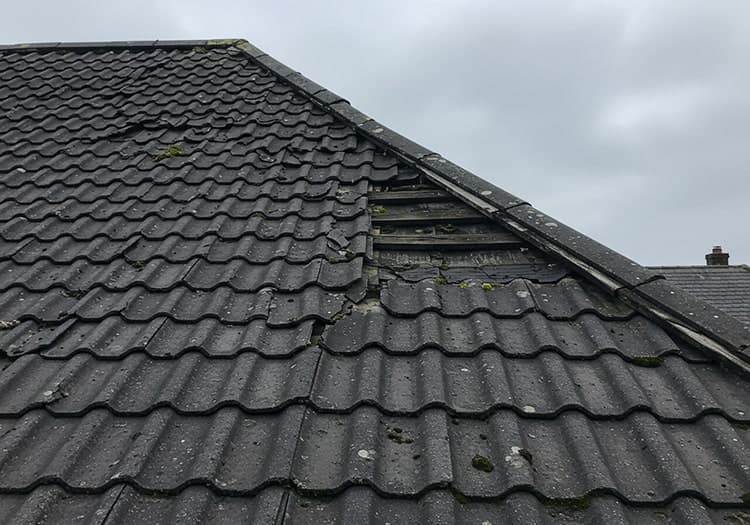
60% of leak calls come from failed flashing and valleys, not missing tiles. That is why quick patching rarely lasts, especially in Dublin's 750mm+ annual rainfall. (In our breakdown of the top causes of roof leaks in Dublin, flashing failure alone accounts for a quarter of call-outs.)
The repairs that actually stop leaks in Dublin are:
Chimney and valley work is high-risk, so always use a fully insured roofing company that can show current cover before work starts.
- Re-cut and re-step chimney flashing with fresh leadwork
- Rebuild valleys with proper falls, lining, and underlay protection
- Replace split lead soakers at slate or tile joints
- Repoint chimney brickwork and seal the back gutter
- Fix water flow issues feeding the valley (gutters, moss, debris)
Keep reading for a Dublin-specific guide to the fixes, the warning signs, and the cost factors without the sales fluff.
If you are in Malahide, Lucan, Blanchardstown, Swords, or Castleknock, you have likely seen how fast a small gap turns into a ceiling stain. (If it is already coming through, our emergency roof leak repair steps tell you what to do right now.) Our local weather and older roof details are a tough mix. We will show you what holds up, and what does not.
Book a Professional Leak Diagnosis
Your leak diagnosis is credited back if you book the repair.
Local Dublin Team - Fast Scheduling - Diagnosis Credited Back
Why 60% of Leaks Start at Flashing and Valleys
Water looks for the lowest, fastest path. Valleys, chimney edges, and leadwork joints give it one.
Dublin homes often mix old slate with newer tiles. That creates seams. Those seams are where leadwork sits, and where movement happens first.
Chimney Flashing Takes the Biggest Beating
Chimneys stand tall. They catch wind. The lead around them flexes with every season.
Once a step flashing lifts or splits, rain tracks straight down the inner wall. You see the stain in the bedroom, not at the chimney, which makes the leak feel mysterious.
Valleys Concentrate More Water Than Any Other Roof Detail
Your valley takes water from two slopes at once. In a Dublin downpour, it handles a massive flow.
If the valley lining is thin, poorly overlapped, or blocked by moss, water backs up and finds the smallest crack. That is why valley repairs stop leaks that tile swaps never fix.
Leadwork Fails Quietly, Then All at Once
Lead is strong, but it moves. Expansion joints, soakers, and apron flashing can fatigue.
When it fails, it fails at the seams. That is where most roof leaks start in Donabate and Dunboyne homes we inspect.

Dublin's 750mm+ Rainfall Turns Small Gaps into Big Leaks
Dublin gets heavy rain spread across long wet stretches. That slow, steady soak is worse than a single storm.
Add in Atlantic winds, tree debris in areas like Phoenix Park and Castleknock, and older mortar on Victorian chimneys from Drumcondra to Rathmines. You get the perfect recipe for flashing failure.
Here is what we see most often across Dublin 1-24:
- Wind-driven rain pushed under lifted step flashing
- Valleys clogged by moss and grit from nearby trees
- Lead soakers split at slate edges after years of movement
- Back gutters behind chimneys holding water after storms
The Repairs That Actually Stop Leaks (and Why)
These are the fixes that hold up after the next rainy week, not just the next shower.
Re-cut and Re-step Chimney Flashing
We chase lead into fresh mortar, not old cracks. That gives a tight, durable seal.
We also replace step flashing and apron pieces together. Mixing old and new is a short-term patch.
Rebuild Valleys with Correct Falls and Lining
A valley needs proper fall, clean edges, and a sound lining below. If any part is weak, water pools.
We strip back the surrounding tiles or slates, rebuild the valley boards, install new lining, and re-lay with clean overlaps.
Replace Lead Soakers at Tile and Slate Joints
Lead soakers are small, but they matter. When they split, water sneaks behind the covering.
We replace each failed soaker and seal the adjoining joints, especially on older slate roofs in Phibsborough, Drumcondra, Clontarf, and Rathgar.
Repoint Chimneys and Seal the Back Gutter
Many leaks blamed on tiles are really mortar failures. Repointing stops water reaching the lead.
We also clear and reshape the back gutter so water flows away, not into the chimney base.

How to Spot a Flashing or Valley Leak Yourself
Use this as a safe, ground-level check. Avoid climbing onto the roof.
How to Spot Flashing and Valley Leaks Safely
A quick DIY check to identify likely leak sources before a professional visit.
Supplies Needed:
- Notebook
- Phone or camera
- Torch
Tools Needed:
- Binoculars
Step 1: Start Inside During Light Rain
Look for fresh water trails on ceilings and attic timbers. Mark the nearest chimney or valley position above the stain.
Step 2: Check the Chimney Line from the Ground
Use binoculars to scan the flashing edges. Look for lifted corners, visible gaps, or cracked mortar.
Step 3: Scan Valleys and Gutters
Look for dark lines of debris in the valley or overflowing gutters. Debris is a strong clue that water is backing up.
Step 4: Document and Note Timing
Take photos and note when leaks appear. Leaks that start only in heavy rain usually point to valleys or chimney flashing.
What Drives the Cost in Dublin (Without Naming a Price)
We never guess. We inspect, explain, and then quote. The biggest cost drivers are predictable.
- Scaffolding and access: Height, pitch, and safe setup requirements
- Lead weight and detail: Heavier lead and complex shapes take more time
- Extent of damage: A split soaker is quick, a failed valley is not
- Roof covering type: Slate and tile both need different handling
- Chimney size and condition: More mortar work means more labour
If you have multiple leak points, bundling repairs is more efficient. It also reduces call-out and access costs.
How We Save Dublin Homeowners 15-20% vs Large Contractors
We are local, lean, and focused on repairs. That keeps overhead down.
We work like a good neighbour: we turn up, explain, and fix.
We also group jobs by area, from Lucan to Finglas and down towards Tallaght and Rathfarnham, so travel time is low. Those savings go straight back to you.
That is how we deliver high-grade leadwork and still keep costs sensible for Dublin families.
How Secure Top Roofing Fixes Chimney and Valley Leaks
Our roof leak repair in Dublin starts with a clear diagnosis. We do not treat symptoms and hope.
For example, a recent leak in Castleknock looked like a broken tile. The real issue was a split lead soaker and a blocked valley. We repaired both in one visit, and the ceiling dried out within days.
We always explain what we find, show photos, and map the fix to your roof. That is the transparency you deserve.
Frequently Asked Questions
Frequently Asked Questions
When leadwork is cut into fresh mortar and installed correctly, it should last for decades even with Dublin weather. The key is proper detailing and allowing for movement.
Stop the Leak and Stop the Stress
Chimneys, valleys, and leadwork are the real leak hotspots in Dublin. Fix those properly, and the leak usually stops for good.
If you want certainty, start with a professional diagnosis from a local team that understands Dublin roofs. We will show you the cause, the fix, and the variables that shape the cost.
Book Your Leak Diagnosis
Your diagnosis is credited back if you book the repair.
Local Dublin Experts - Transparent Advice - No Hidden Costs